Humidity, not a leak
Warm summer air meeting cool basement surfaces condenses on them. No water ever comes through the wall, and yet the wall stays damp for months. This is the most common cause and the one most often misdiagnosed as a leak.
Basements grow mold because they are cool, often humid, and surrounded by wet soil. Most basement mold is a humidity and drainage problem rather than a leak — which matters, because removing the growth without changing the conditions puts it back within a season.
Editorial policy · Provider standards
Warm summer air meeting cool basement surfaces condenses on them. No water ever comes through the wall, and yet the wall stays damp for months. This is the most common cause and the one most often misdiagnosed as a leak.
Soil sloping toward the house, or a downspout discharging at the foundation, puts water against the wall every time it rains. It is also the cheapest thing on this list to fix.
Studs, insulation and drywall installed against a foundation wall create a cavity that stays cool and cannot dry. Growth happens on the back of the drywall, where nobody sees it until the smell arrives.
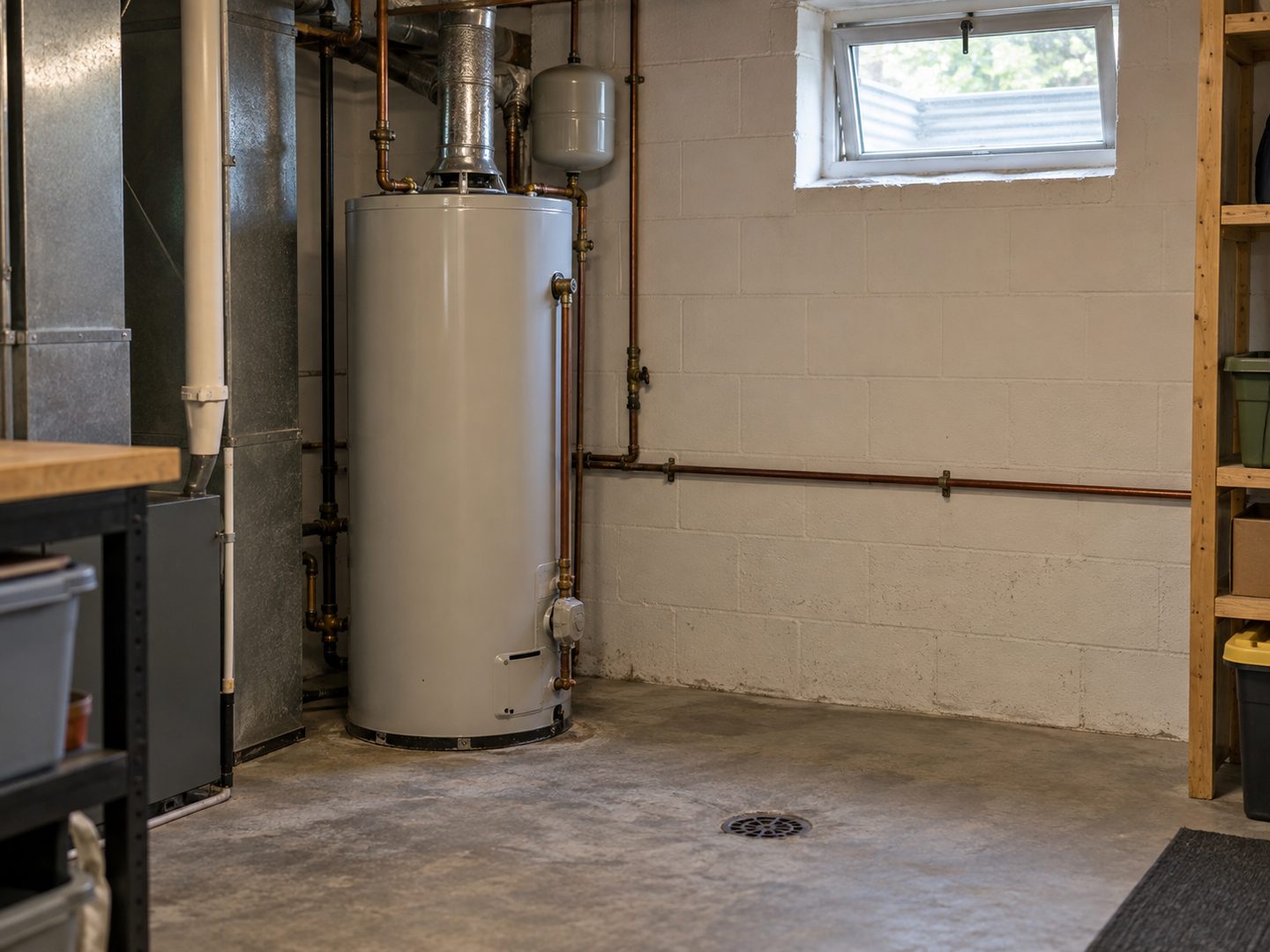
Water heaters, washing machines, condensate lines and supply pipes. A slow drip behind a machine can run for months before anything is visible.
Water forced through the slab or the wall joint after heavy rain. Usually visible as staining at floor level, and rarely solved without drainage work.
None of this requires opening up a wall or disturbing anything that looks like growth.
Before you pay anyone, it is worth knowing what the building's own conditions look like — age, basement type, drainage, rainfall and flood history all shape how likely a moisture problem is here.
A data-based estimate — not an inspection, mold test, or medical diagnosis. How this works · How we handle your address
For a basement, the useful first spend is someone with moisture meters establishing whether the walls are wet, whether the finished framing behind them is wet, and where the water is coming from. Sampling adds little when you can already see growth and know it is a below-grade humidity problem. Remediation quotes obtained before that question is answered tend to differ by thousands, because each company is guessing at a different scope.
Establishes whether there is a moisture problem, where the water is coming from, and whether sampling would add anything.
Find testing professionals →Contains, removes, and dries affected material against a scope that has already been identified and documented.
Find remediation companies →Verifies that completed work met its own scope, carried out by someone who did not perform the work.
Find independent verification →This page explains a building problem and how to decide what to do about it. It does not diagnose a health condition, confirm mold in any specific property, or replace an on-site assessment. Health questions belong with a licensed clinician.
One address, a few seconds, and a clear read on what to look into next.
A data-based estimate — not an inspection, mold test, or medical diagnosis.